For homes
We dry houses so the floor and walls stay sound. You get readings, photos, and a clear timeline before we leave.
- Burst supply line
- Appliance overflow
- Storm water under door
When a pipe bursts at 2 a.m. or a storm pushes water under your back door, Emergency water damage restoration Kyle TX is the call that stops the damage from spreading. We pull standing water, dry the structure, and document everything for your claim.
 Find the sourceExtract standing waterDry and verify
Every emergency water damage restoration Kyle TX job starts with the same core scope. Here is what we handle on the first visit, and what we scope separately once the structure is dry.
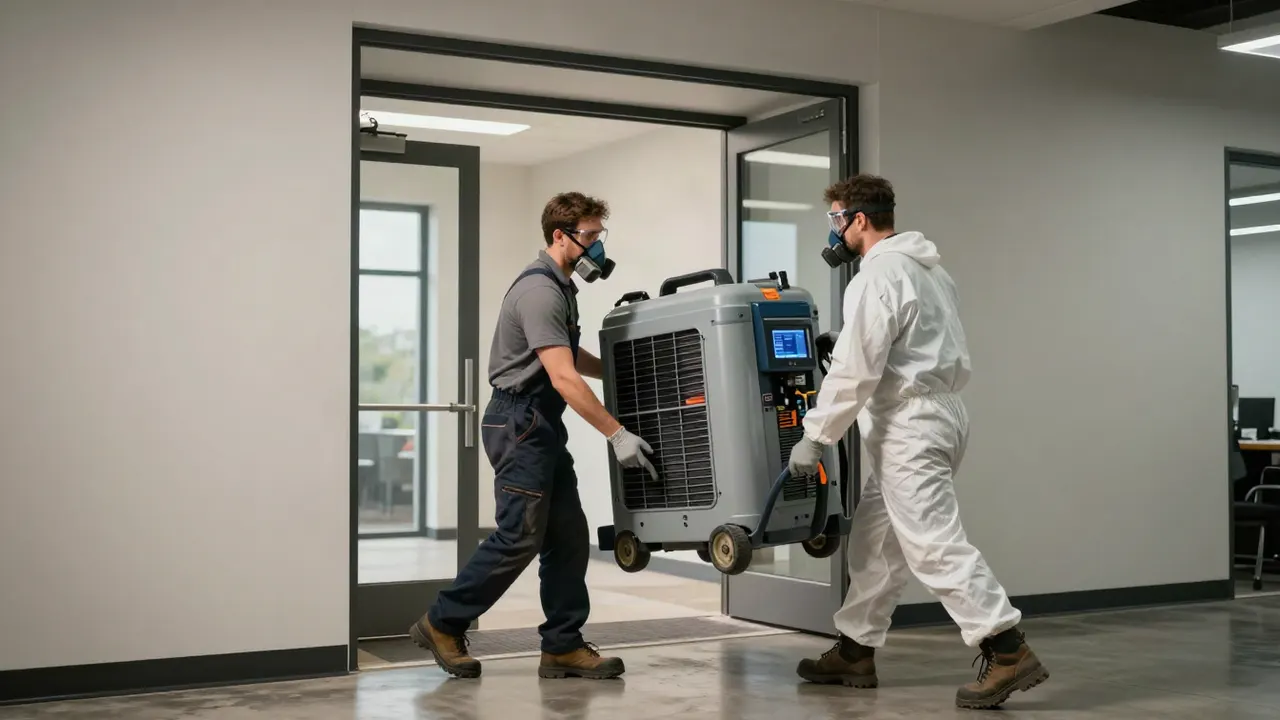
We remove standing water from carpet, tile, and concrete with truck-mounted and portable extraction units. A 500-square-foot room with half an inch of water takes about 45 minutes. We finish the edges with a wet/dry vacuum so nothing is left to wick into the subfloor.
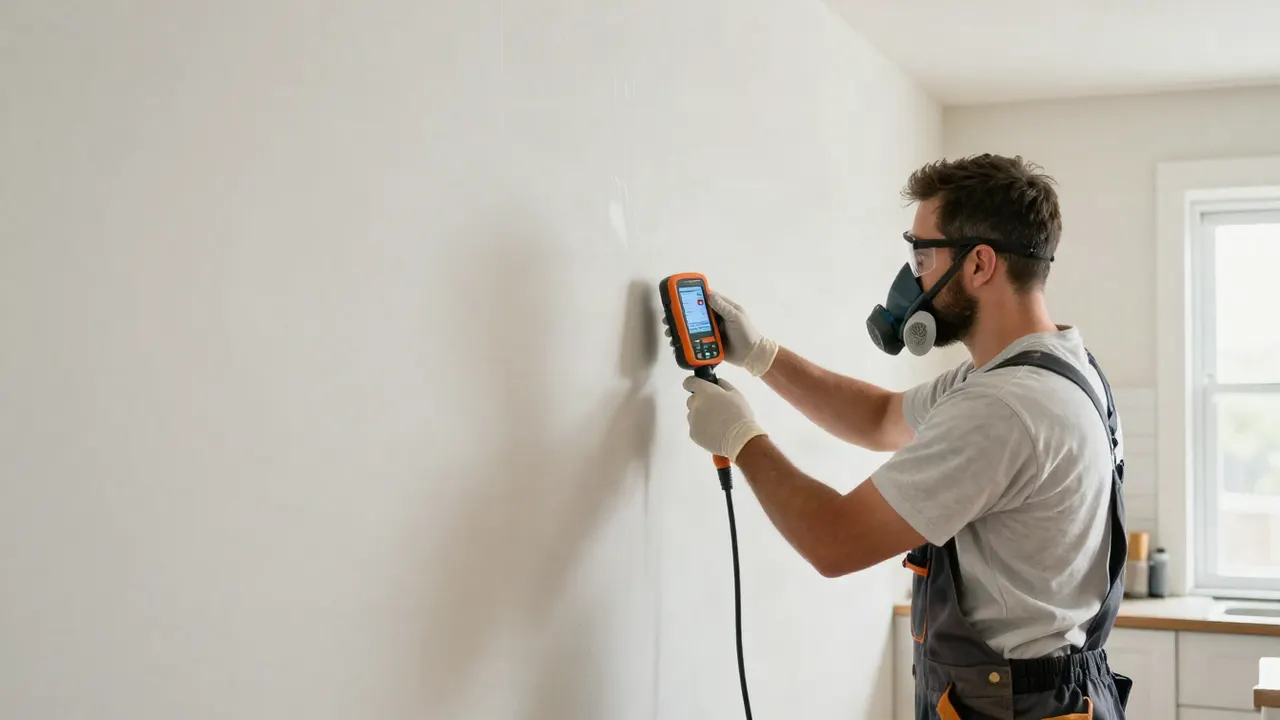
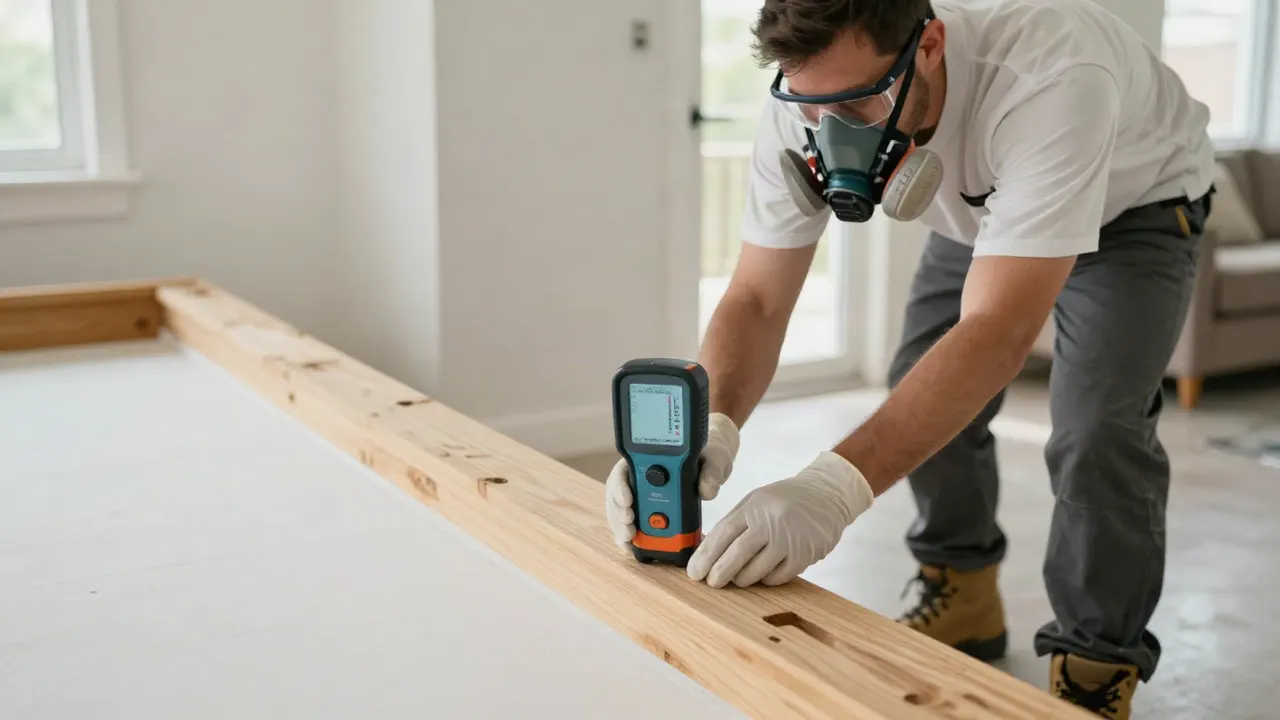
We use a moisture meter, thermal imaging camera, and hygrometer to find water you cannot see. That includes inside wall cavities, under baseboards, and above ceiling tiles. You get a moisture map with readings for every affected room, which your adjuster will ask for.
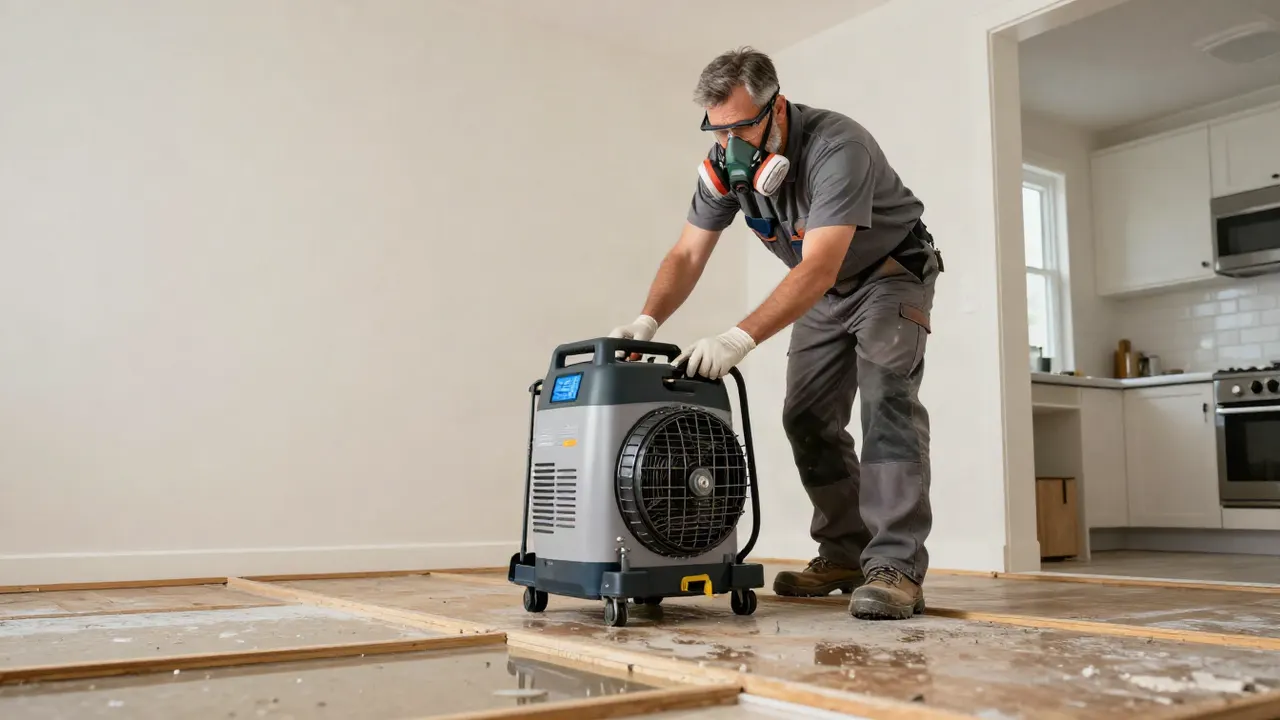
We place air movers and dehumidifiers based on the size of the wet area, usually one air mover per 10 to 16 feet of wall. We return daily to log readings and adjust equipment. Standard Kyle dry-outs take three to five days.
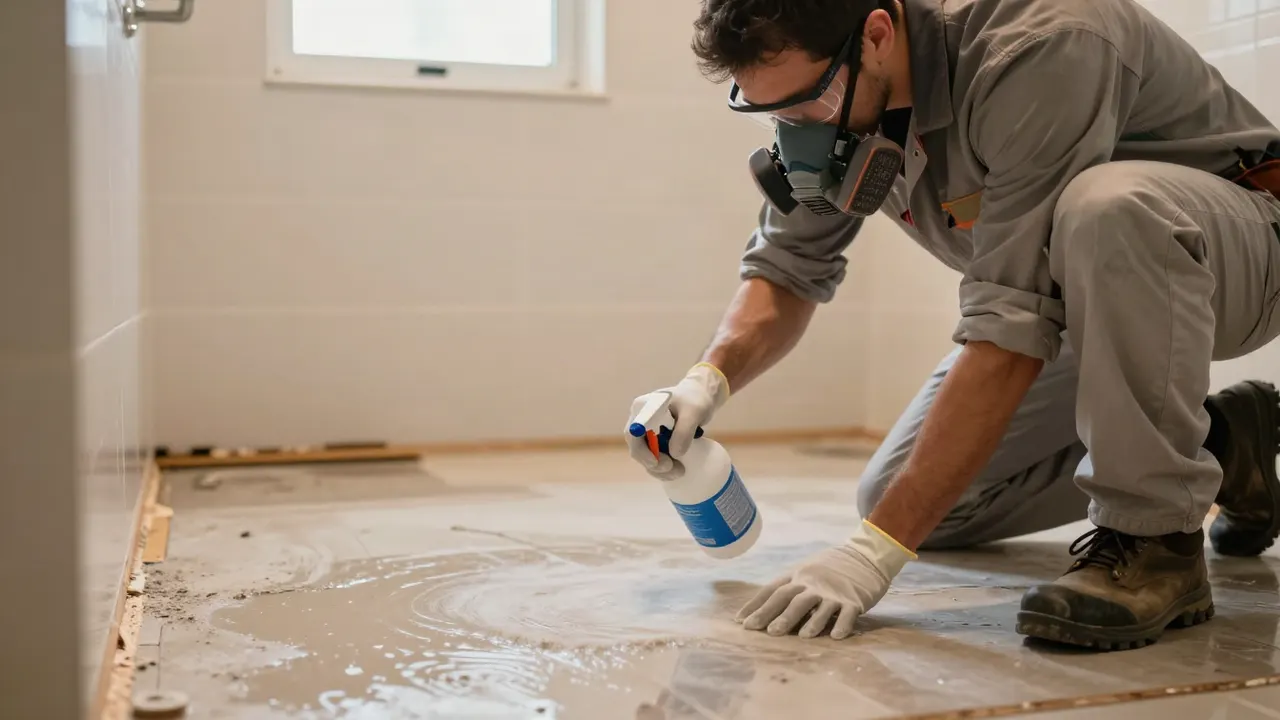
After extraction, we apply antimicrobial spray to affected framing, drywall edges, and subflooring. This slows mold growth while the structure dries. It is standard practice on any water job that sat more than a few hours before we arrived.
We photograph every affected area, log moisture readings, and build Xactimate line items your adjuster recognizes. You get a copy of the drying log and photo report the day we close the job. That documentation is what gets claims approved without delays.
The approach is the same for a home and a business. What changes is the access, the schedule and who needs the paperwork.
We dry houses so the floor and walls stay sound. You get readings, photos, and a clear timeline before we leave.
We keep water losses from closing your doors. Crews work after hours and document everything your insurer needs.
A plain-language look at what Emergency Water Damage Restoration involves and when it is needed.
See how it worksEmergency water damage restoration Kyle TX is the process of stopping an active water source, removing standing water, and drying the structure, contents, and air cavity before mold and rot take hold. We start with a moisture meter and thermal imaging camera to map how far the water traveled, then run extraction units and air movers until readings match a dry standard. It is part demolition, part drying science, and part paperwork for your insurance claim.
Kyle sits in Hays County where clay soil shifts, slab leaks are common, and summer storms drop two inches in an hour. That combination means flooded basements, ceiling leaks after heavy rain, and water-stained drywall show up on our schedule every week. If you need emergency water damage restoration in Kyle TX near me, we are already in the neighborhood, usually on-site within 60 minutes of your call.
Water damage is a race against time, and drying to a measured standard is how you win it.
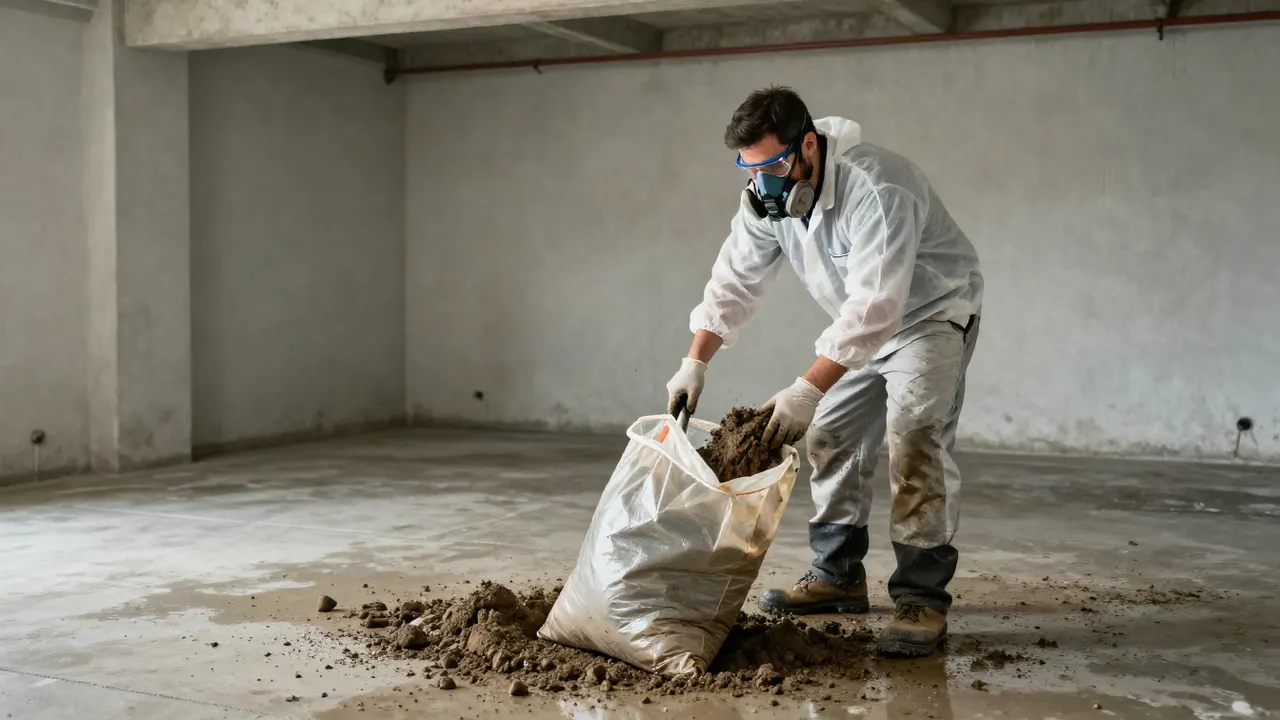
Five steps, in order, every time. Here is exactly what happens after you call us about water in your Kyle home or business.
You call, we ask three questions: where is the water, is it still running, and do you see sewage. That tells us what to load. We dispatch the nearest crew and stay on the line to walk you through shutting off the supply valve. Most calls are answered in under 30 seconds.
We arrive, walk the space with you, and take moisture readings in every affected room. A thermal imaging camera shows us water behind baseboards and inside wall cavities. We photograph everything before we move a single item, which protects your claim and your furniture.
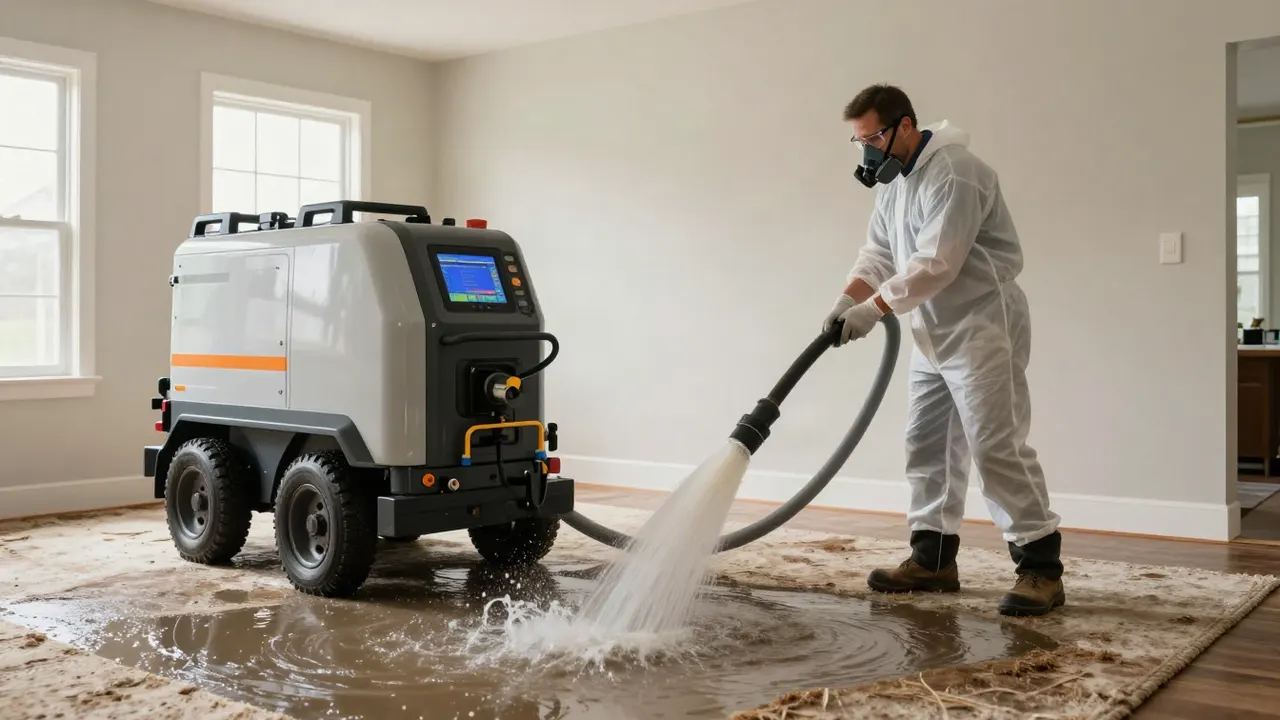
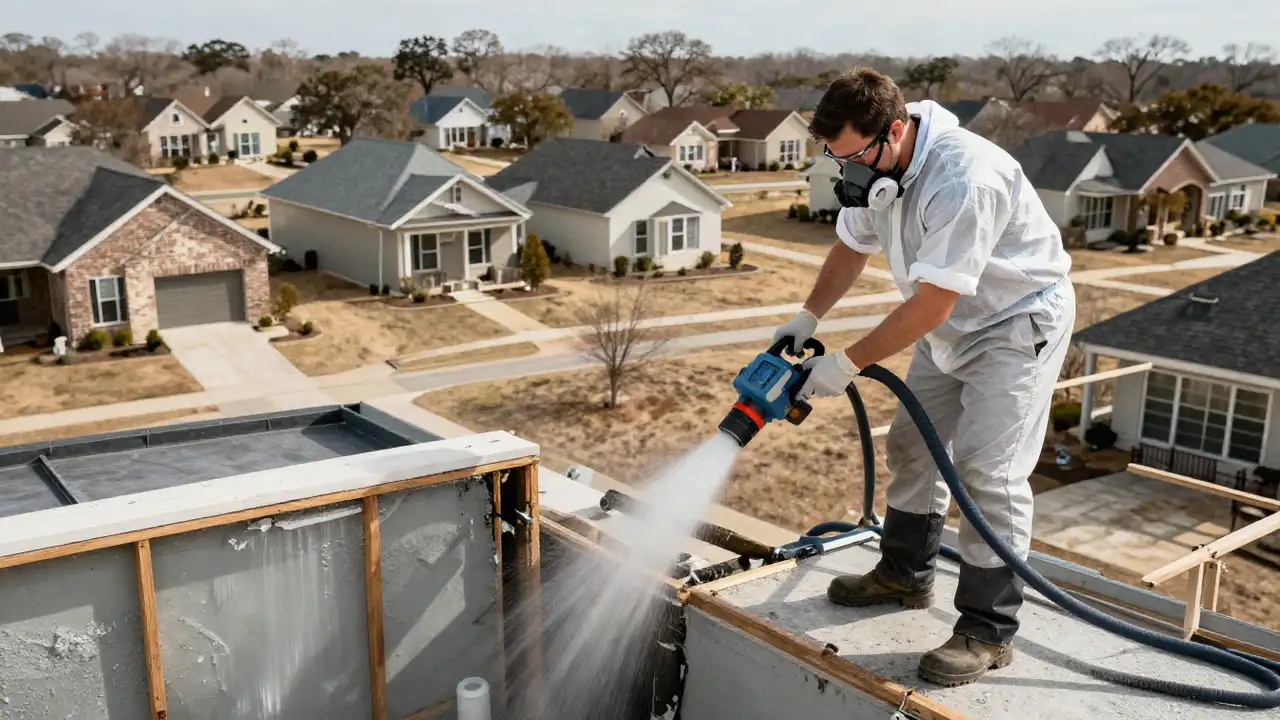
Standing water comes out first. We run truck-mounted and portable extraction units across carpet, tile, and concrete, then use a wet/dry vacuum on the edges. A 500-square-foot room with half an inch of water takes about 45 minutes to extract.
We set air movers and dehumidifiers based on the size of the wet area, usually one air mover per 10 to 16 feet of wall. We return daily to log moisture readings with a hygrometer and infrared thermometer. Drying typically takes three to five days for a standard Kyle home.
When readings hit the dry standard, we remove equipment and walk the space with you. You get a full drying log, photo report, and moisture map for your records. If any drywall or baseboard needs replacement, we scope that work and schedule it before we leave.
Move across a circle, or focus it and press Enter, for an illustrative thermal view of the photograph.
Shows temperature differences that reveal hidden water behind walls, under floors, and above ceilings without cutting open the structure.
Measures moisture content in drywall, wood, and subflooring, and tracks humidity in the air so we know when the structure is actually dry.
Pulls hundreds of gallons of standing water fast from carpet, tile, and concrete. The workhorse on every emergency call.
Move air across wet surfaces and pull moisture out of the air. We size the count to the wet area, usually one air mover per 10 to 16 feet of wall.
Lets us see inside wall cavities and under cabinets without tearing out more material than necessary.
Thermal views are illustrative, generated from the photographs.
Cleans up the edges and corners that the big extraction unit cannot reach, especially around baseboards and cabinet toe kicks.
We follow the IICRC S500 standard for water damage restoration, which sets the dry standard for different materials. That means we dry to a measured target, not to the touch. We log readings daily until the structure hits that target.
Before we start, we classify the water (category 1, 2, or 3) and the extent of saturation (class 1 through 4). That classification drives everything: what we can save, what we remove, and how much equipment we set.
We build our scope in Xactimate, the same estimating platform most insurance adjusters use. That means your claim line items match what the adjuster expects to see, which speeds approval and reduces back-and-forth.
We return every day to record moisture readings, adjust equipment placement, and photograph progress. You get a copy of the log at the end of the job. It is the record that proves the structure was dried correctly.
A pipe bursts at 2 a.m. in a Plum Creek home and water is running down the hallway before anyone wakes up.
We dispatch the nearest crew, walk you through shutting off the main valve over the phone, and arrive with extraction units and drying gear. We pull the water, set equipment, and leave the house dry and documented.
Outcome: You wake up to a dry floor instead of a mold problem, and your insurance claim is already documented.
A storm drops two inches in an hour and water pushes under the back door of a Waterleaf home.
We extract the standing water, pull wet carpet padding, and dry the subfloor with air movers and dehumidifiers. We check the door threshold and baseboards for hidden moisture with a moisture meter.
Outcome: The floor dries in three to four days and the door area is sealed so the next storm stays outside.
A water heater in a Downtown Kyle rental fails on a Friday night and the tenant calls the property manager.
We handle the tenant, shut off the supply, extract the water, and document the loss. The property manager gets daily photo updates and readings without having to be on-site.
Outcome: The unit is dry and ready for repair within a week, and the owner has a clean claim file.
A slow slab leak in a Kyle home has been soaking the carpet for a week before anyone notices the warm spot.
We locate the leak with thermal imaging, extract water from the carpet and pad, and dry the slab and subfloor.
Outcome: The leak is fixed, the floor is dry, and the mold that was starting never gets a foothold.
An appliance overflow in a Kyle kitchen sends water under the cabinets and into the adjacent room.
We pull the appliance, extract water from the cabinet base and floor, and dry the cabinet toe kick with directed air. We check the wall behind the appliance with a boroscope inspection camera.
Outcome: Cabinets are saved, the floor is dry, and the appliance goes back in without a mold problem behind it.
Kyle sits on clay soil that swells when it is wet and shrinks when it dries, which puts constant stress on slab foundations and buried supply lines. That is why slab leaks are one of our most common calls in Hays County. Summer storms here can drop two inches in an hour, and the flat lots in newer subdivisions like Waterleaf push water toward the house instead of away from it.
Older homes near Downtown Kyle have cast iron drains that scale and crack, while newer builds in Plum Creek use PEX supply lines that fail at the fittings. We keep extraction and drying equipment on every truck because a 60-minute response is the difference between a dry-out and a rebuild. If you need same day emergency water restoration Kyle Texas, we are already in the area.
We work in ZIP codes 78640 and 78666 and know which streets flood first when a storm stalls over the county.
Before: A slab leak soaked the carpet in a 400-square-foot living room and the bottom 12 inches of drywall. The homeowner noticed a warm spot and a musty smell about a week after it started. Moisture readings in the drywall were at 28 percent.
After: We extracted the water, pulled the wet carpet padding, and dried the slab and drywall over four days. Final readings were under 12 percent. The plumber repaired the line, and we replaced the baseboards and repainted the affected wall.
Check for warm spots on the floor once a month and watch your water bill for unexplained increases. A slab leak usually shows up in one of those two places first.
Before: A spring storm pushed water under the back door and soaked 300 square feet of carpet in two rooms. The baseboards were wet and the door threshold was holding water. The homeowner called us the next morning.
After: We extracted the standing water, removed the wet padding, and dried the subfloor in three days. We sealed the door threshold and replaced the baseboards. Final moisture readings matched the dry standard in every room.
Check the door sweep and threshold seal before storm season each spring. A five-dollar seal replacement prevents a five-thousand-dollar dry-out.
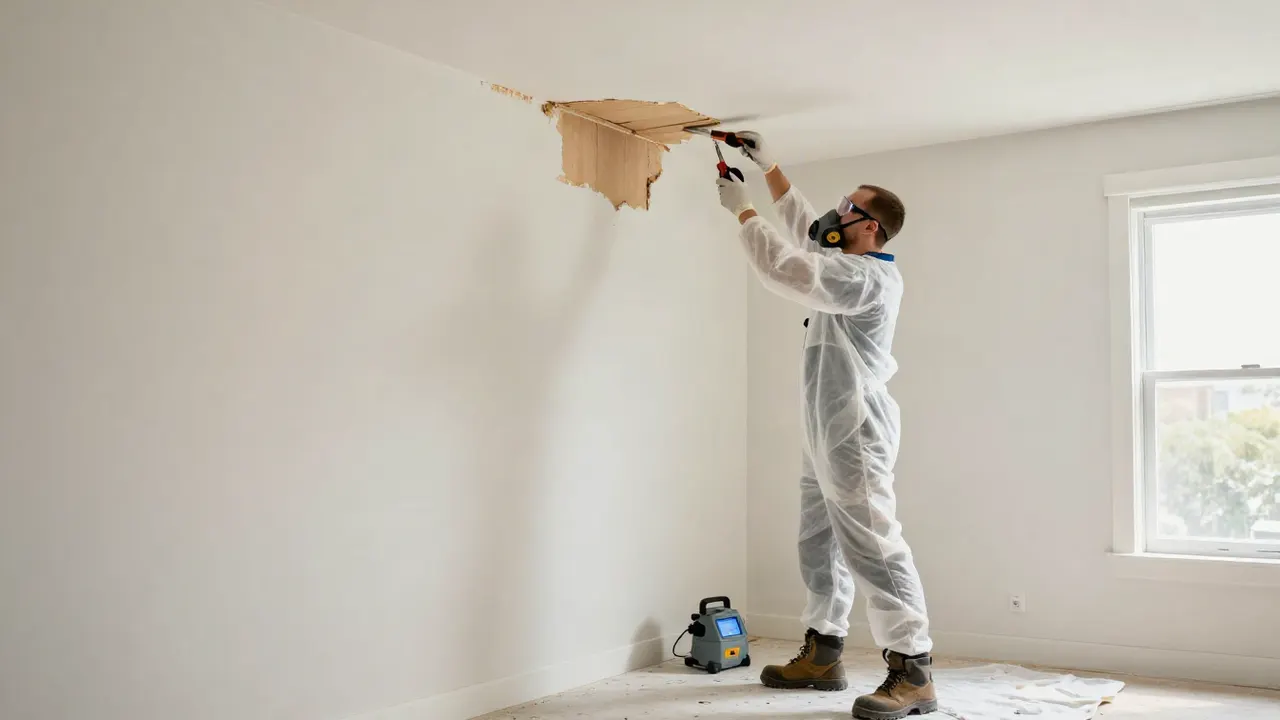
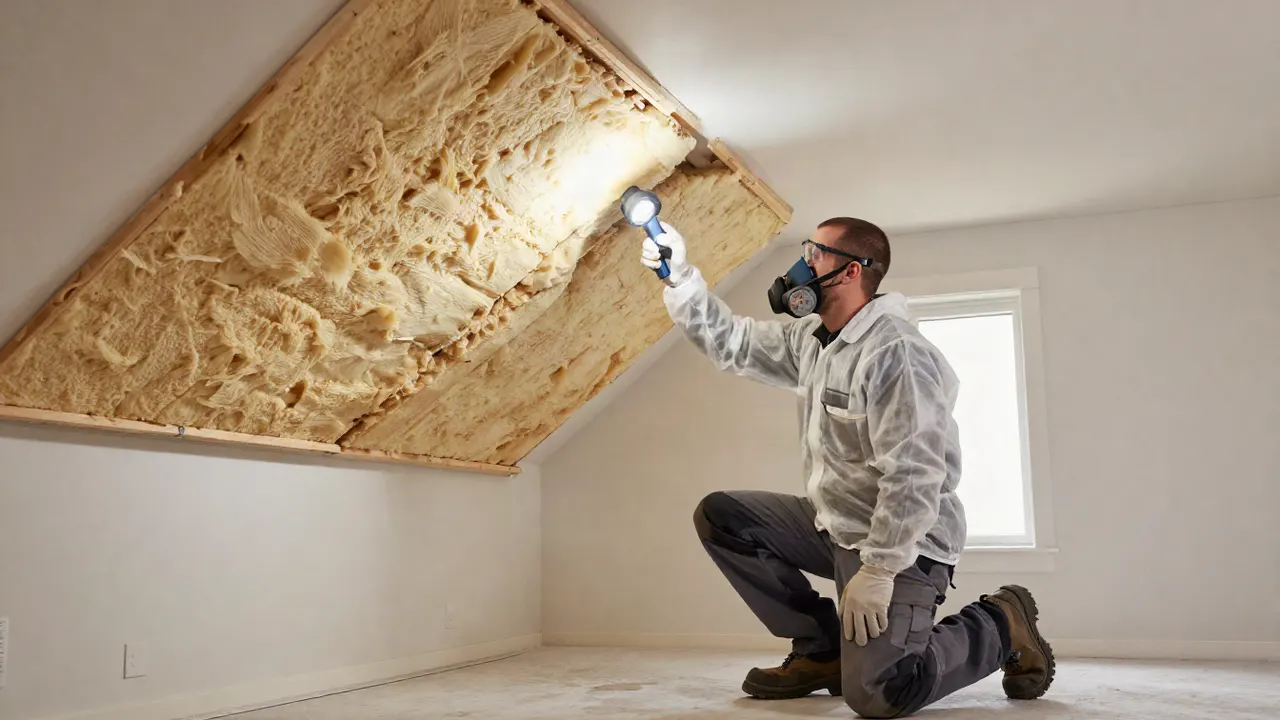
Before: A supply line burst behind a bathroom wall and ran for about 90 minutes before the homeowner shut it off. Water traveled down the wall, soaked the insulation, and pooled at the baseplate. The drywall was soft to the touch.
After: We cut a small inspection opening, dried the wall cavity with directed air movers over three days, and replaced the wet insulation. The plumber repaired the line, and we patched and painted the drywall. No mold growth was found at the final inspection.
Know where your main shut-off valve is and test it twice a year. The faster you can stop the water, the smaller the repair.
Most of our Kyle calls start with one of these. Each one gets worse the longer it sits, and each one has a fix we have done hundreds of times.
A dry structure, documented readings, and a claim file your adjuster can use.
Our average on-site time in Kyle is 60 minutes from your call, day or night. That matters because mold can begin colonizing wet drywall in 24 to 48 hours. Getting extraction started in the first hour is the difference between a two-day dry-out and a two-week rebuild.
We document with photos, moisture readings, and Xactimate line items your adjuster already recognizes. Most Kyle claims are filed and approved without you chasing paperwork. You get a copy of every reading and photo the same day we close the job.
Every technician on your job holds IICRC WRT or ASD training, and we follow the S500 standard for drying. That means we know when subflooring is dry, not just when it looks dry. We verify with a hygrometer before we pull equipment.
You get a written scope before work begins, and the price you approve is the price you pay. We explain what drives the number before we start.
What a written scope covers and what shapes it. Prices are set by the business after the first look.
Included
Depends on
Clear records you can keep and share.
Daily moisture readings for every room
Before, during, and after images
Where water was found and tracked
Work performed and materials removed
Water category drives what can be saved and what has to go. It is the first thing we classify on site.
Clean water from a supply line or rain
Gray water from appliances or drains
Black water from sewage or flooding
A list like this tells people straight away whether you cover their street. Not listed? Call and ask: it only takes a minute.
Based in Kyle and covering the places around it. Pick one for local details.
Call Water Damage Pros at 512 123 456. We answer 24 hours a day and dispatch a crew to your Kyle address, usually within 60 minutes. Have your address, the water source if you know it, and your insurance policy number ready. We handle the rest, including shutting off the water if it is still running.
Our average on-site time in Kyle is 60 minutes from your call. If you are in Plum Creek or Waterleaf, we are often there in 30 to 45 minutes. We stay on the phone with you while you shut off the supply valve, which stops additional water from entering before we arrive.
After-hours calls carry a higher labor rate, typically 20 to 30 percent more than a weekday job. The drying equipment and materials cost the same. Most Kyle homeowners pay only their deductible because we bill your insurance directly and document every line item with Xactimate.
Shut off the water at the main valve, then kill power to any room with standing water at the breaker. Move furniture and electronics off wet carpet, and lift curtains above the water line. Do not run a household vacuum on standing water. Take photos before you move anything for your claim.
Other services from the same team.
Water spreads fast. Every hour you wait gives mold a better foothold. Call Water Damage Pros at 512 123 456 and we will dispatch a crew to your Kyle address, usually within 60 minutes. We answer 24 hours a day, and we bill your insurance directly.
Call us at 512 123 456 any time, day or night. If you prefer email, send us a message at [email protected] and we will get back to you the same day.