For Homes and Renters
We handle burst pipes in houses, duplexes, and apartments across Kyle. You get a walkthrough, a clear price, and daily moisture updates.
- Supply line under sink
- Frozen attic pipe
- Slab leak under floor
When a pipe bursts in your Kyle home, every minute counts. We handle Burst Pipe Water Damage in Kyle from the first emergency call through final moisture readings. Our IICRC-trained crew extracts standing water, dries wall cavities, and repairs the broken line so you can get back to normal. We serve homeowners, renters, and property managers across Kyle, TX and Hays County with same-day response and upfront pricing.
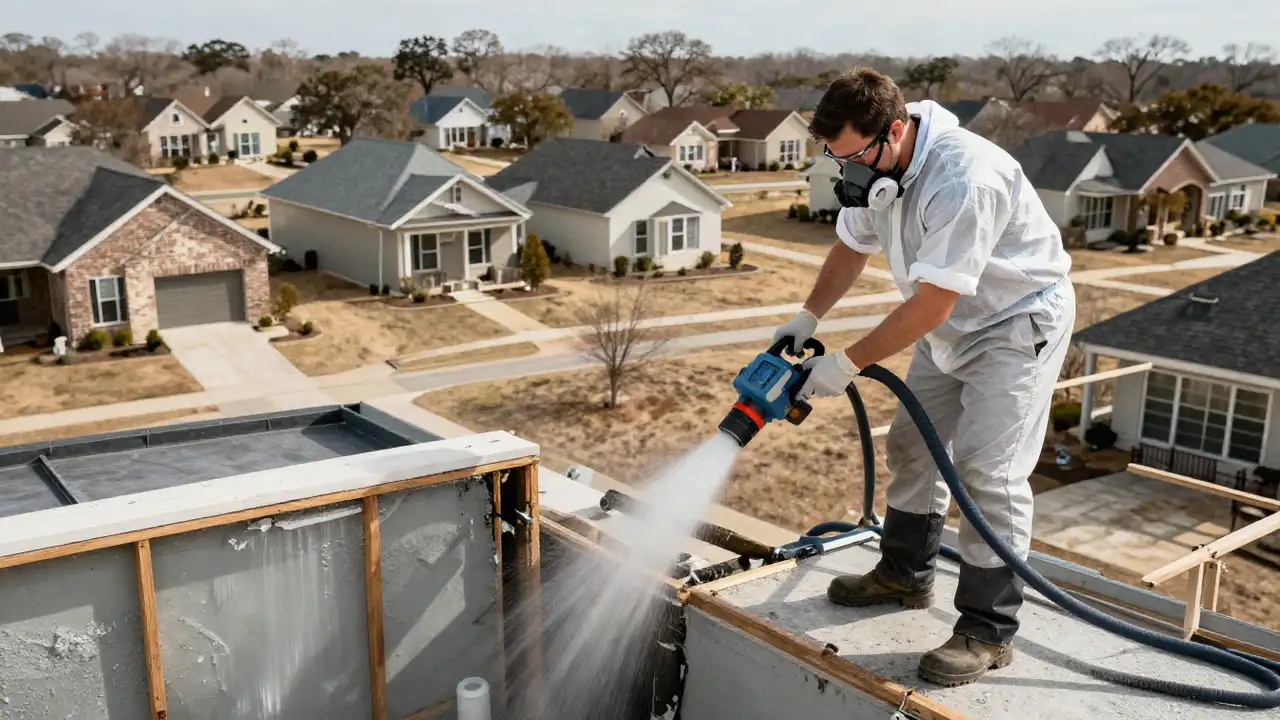 Shutoff valve checkMoisture mappingPipe pressure test
Our burst pipe service covers the full emergency response: stopping the water, extracting it, drying the structure, and repairing the pipe. We handle the work most homeowners do not want to coordinate themselves. If additional repairs are needed, like replacing a section of subflooring or repainting a ceiling, we price that separately and tell you before we start.
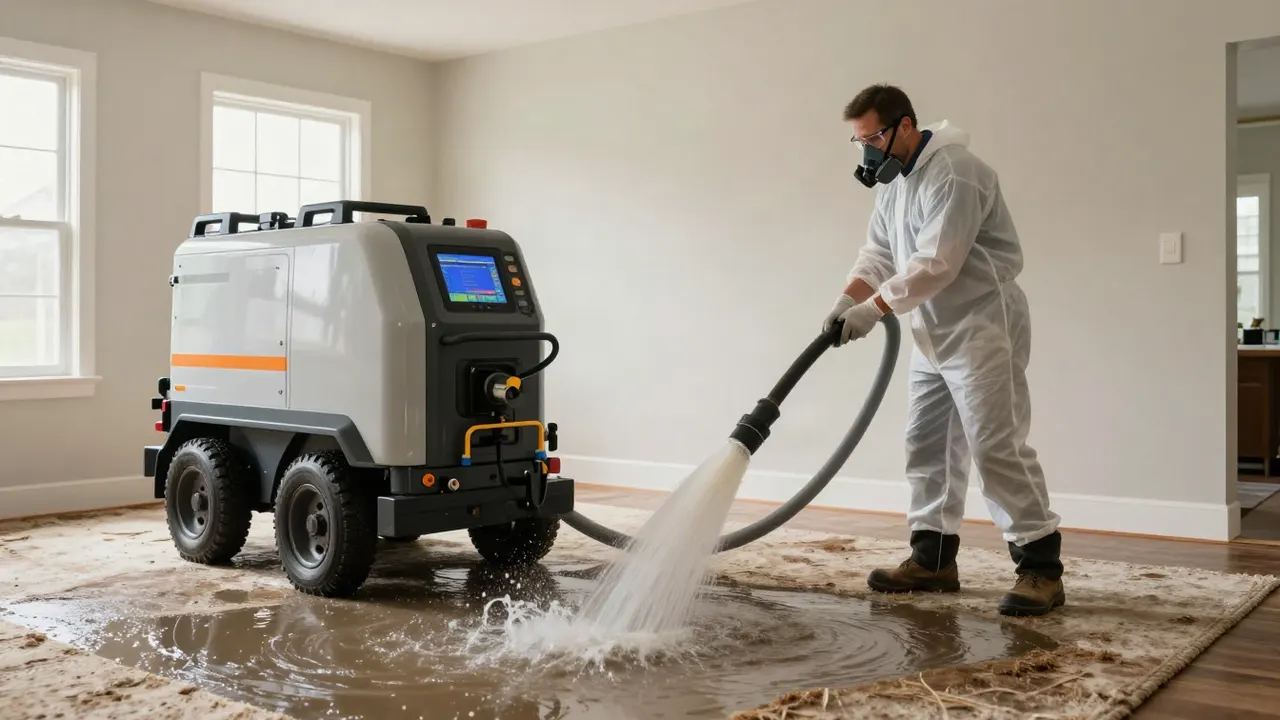
We remove standing water with a water extraction unit and wet/dry vacuum. Carpet padding that is saturated gets pulled and disposed of. Extraction starts within the first hour on site and usually finishes in one to three hours for a residential burst pipe.
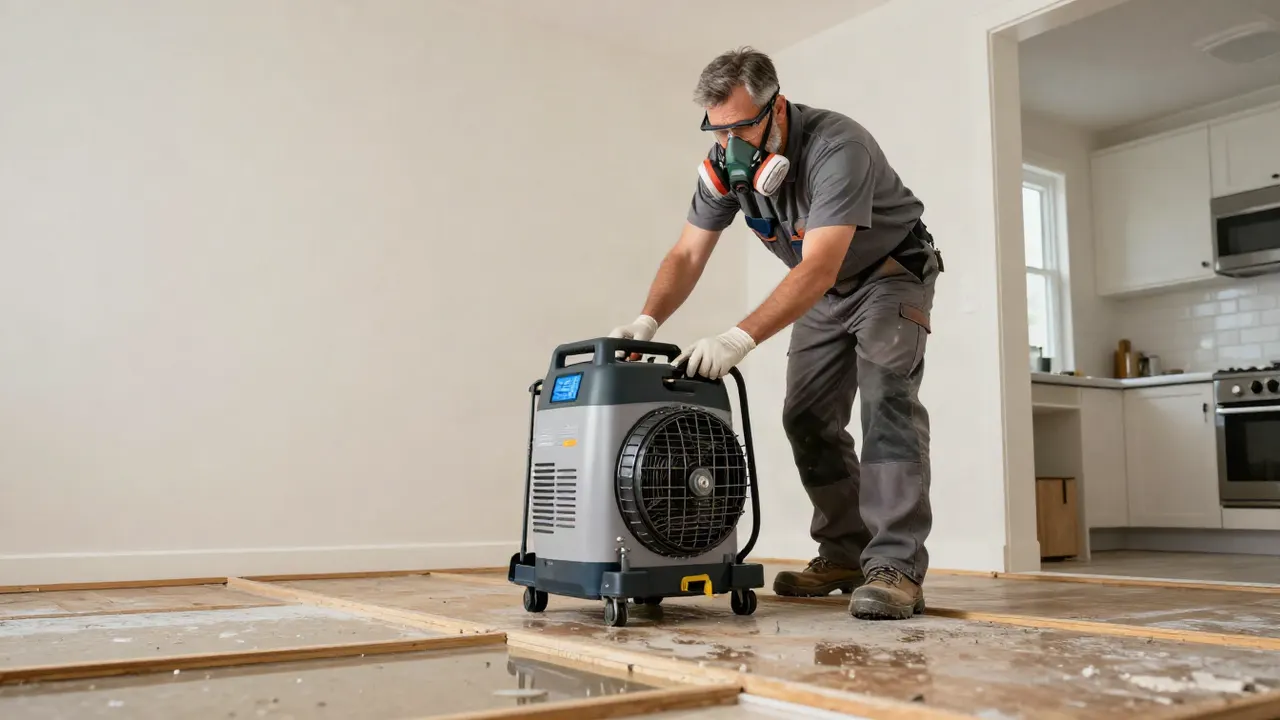
We place Dri-Eaz and Phoenix Restoration Equipment air movers and dehumidifiers to dry drywall, insulation, baseboards, and wood studs. You get daily moisture readings with a hygrometer. Equipment stays until the structure hits a dry standard.
We repair the burst section of pipe, replace any failed fittings, and pressure-test the line before closing the wall. That confirms the leak is fixed and no second break is waiting. Most pipe repairs take two to four hours.
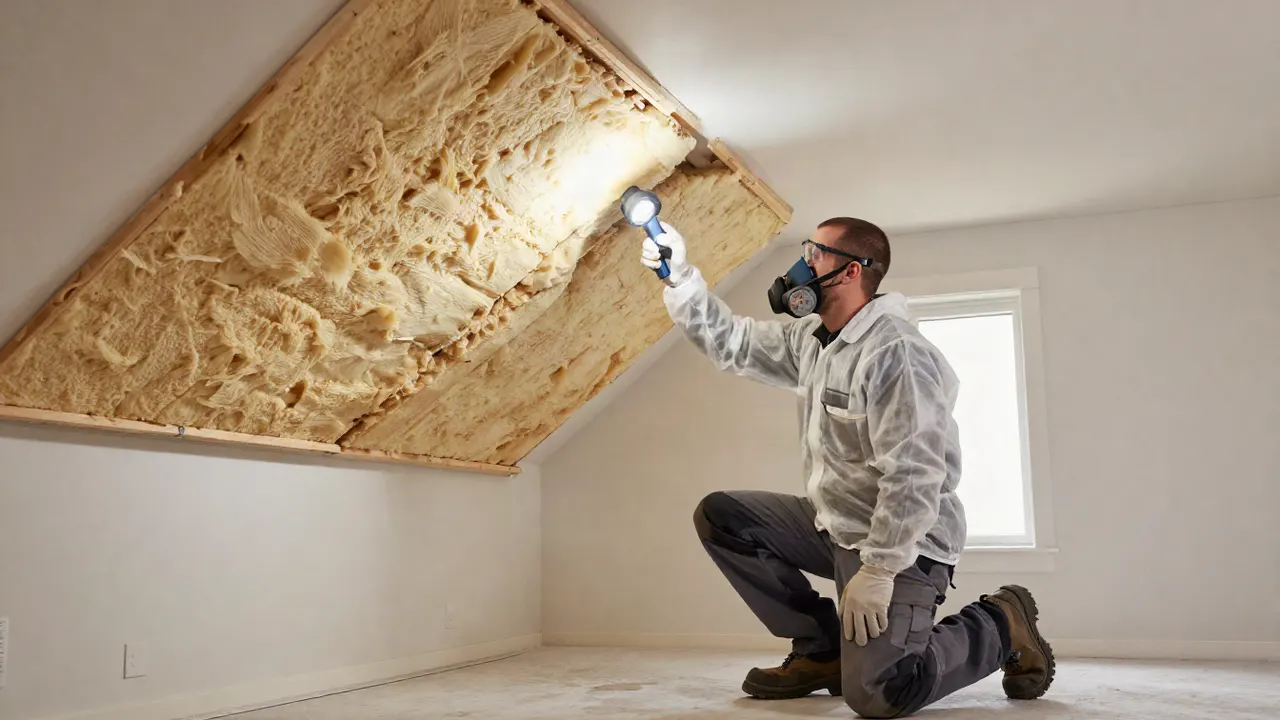
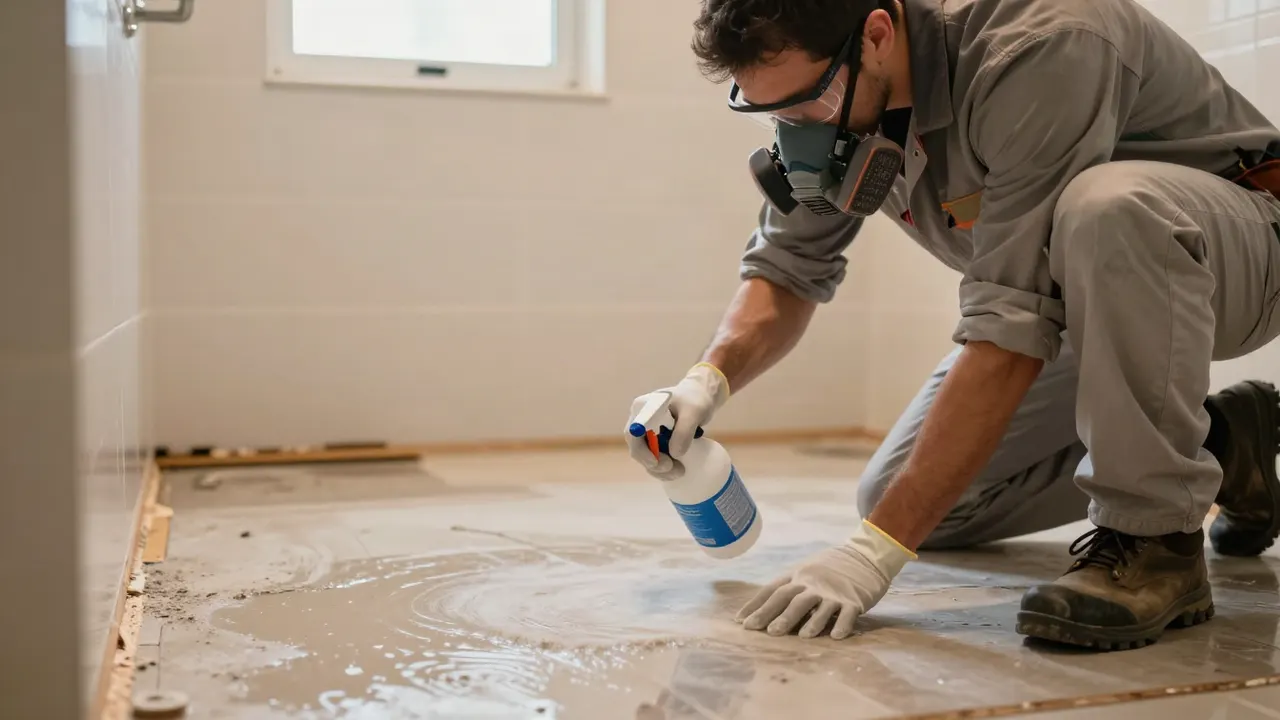
We apply antimicrobial spray to affected framing, subflooring, and wall cavities after extraction. That slows mold growth while the structure dries.
We photograph every affected room, log moisture readings, and build an Xactimate scope for your adjuster. You get a copy of everything. That documentation is often the difference between a fast claim approval and weeks of back-and-forth.
The approach is the same for a home and a business. What changes is the access, the schedule and who needs the paperwork.
We handle burst pipes in houses, duplexes, and apartments across Kyle. You get a walkthrough, a clear price, and daily moisture updates.
We respond to burst pipe calls in offices, retail spaces, and rental units. We document everything and coordinate with tenants and owners.
A plain-language look at what Burst Pipe Water Damage involves and when it is needed.
See how it worksBurst Pipe Water Damage in Kyle is the emergency restoration process that stops an active pipe leak, removes standing water, dries saturated building materials, and repairs the failed pipe so the structure does not rot or grow mold. It starts the moment you shut off the main valve and call a restoration crew. We arrive with water extraction units, moisture meters, and thermal imaging cameras to map exactly where water traveled behind drywall, under subflooring, and into insulation. Then we dry it, document it, and fix the pipe.
Kyle sits in Hays County where the clay soil shifts hard between summer drought and winter freezes. That movement stresses buried supply lines and slab plumbing. Add older galvanized pipes in established neighborhoods and you get a burst pipe scenario that can dump hundreds of gallons into a home before anyone notices. If you are searching for emergency water damage restoration near Kyle, the first hour matters more than the next ten. We stop the source, extract the water, and start drying the same day.
A burst pipe is fixed in two steps: stop the water and dry the structure.
Every burst pipe job follows the same five steps. You will know what is happening, who is doing it, and how long it takes before we start.
You call, we ask three questions: where is the water, is the main shut off, and is anyone in danger. We walk you through shutting the valve if you have not already. A crew is dispatched immediately with extraction equipment. You get a call or text with the technician name and estimated arrival window.
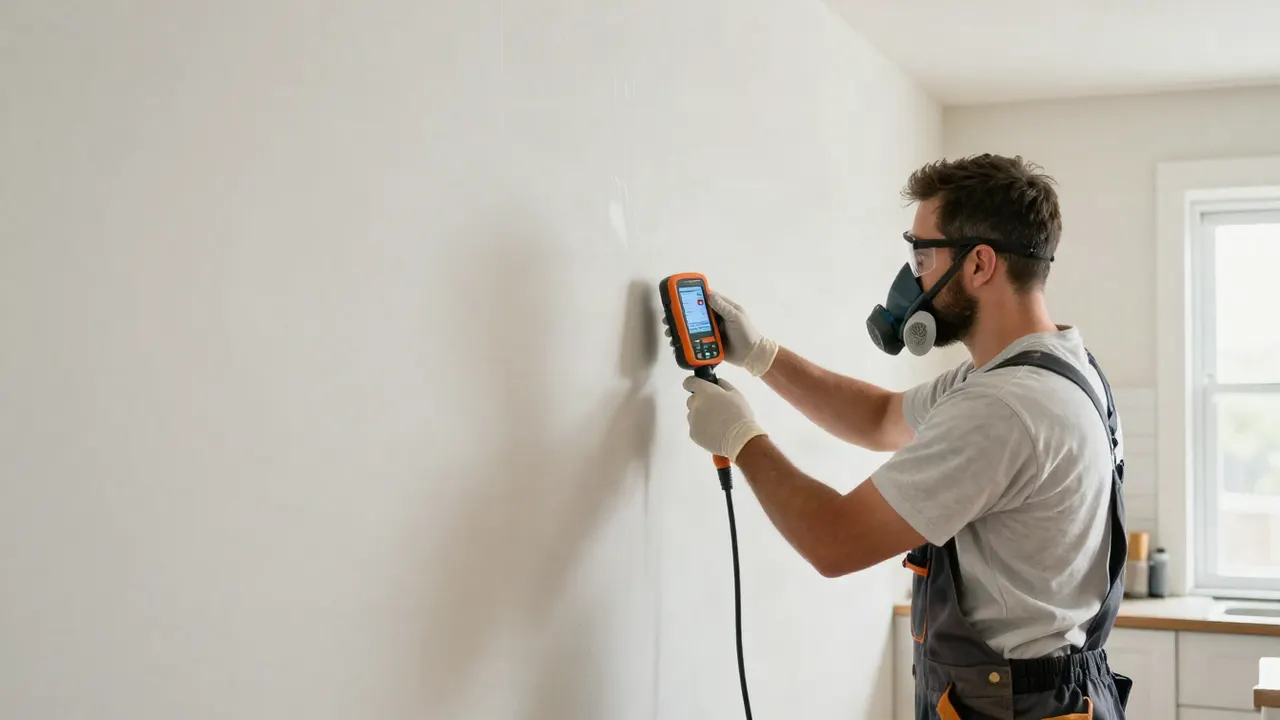
On arrival we do a full walkthrough with moisture meters and a thermal imaging camera. We check the ceiling below the leak, the subflooring, and the wall cavities. You see the readings and photos before we start. This takes 20 to 40 minutes depending on how far the water traveled.
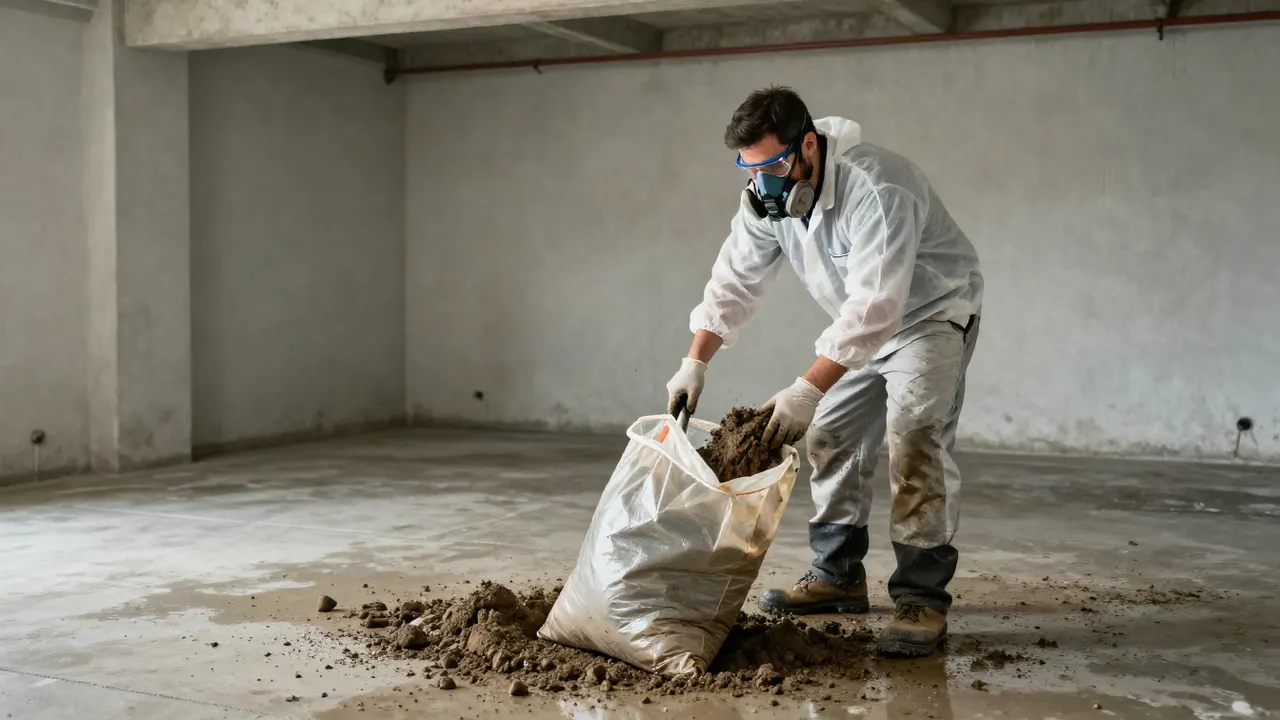
Standing water comes out first using a water extraction unit and wet/dry vacuum. Carpet padding gets pulled if it is saturated. We set air movers and dehumidifiers to start drying the structure. Extraction typically takes one to three hours for a residential burst pipe.
We place Dri-Eaz and Phoenix Restoration Equipment air movers and dehumidifiers to dry drywall, insulation, baseboards, and wood studs. You get daily moisture checks with a hygrometer. Most residential jobs dry in three to five days. We do not remove equipment until readings match a dry standard.
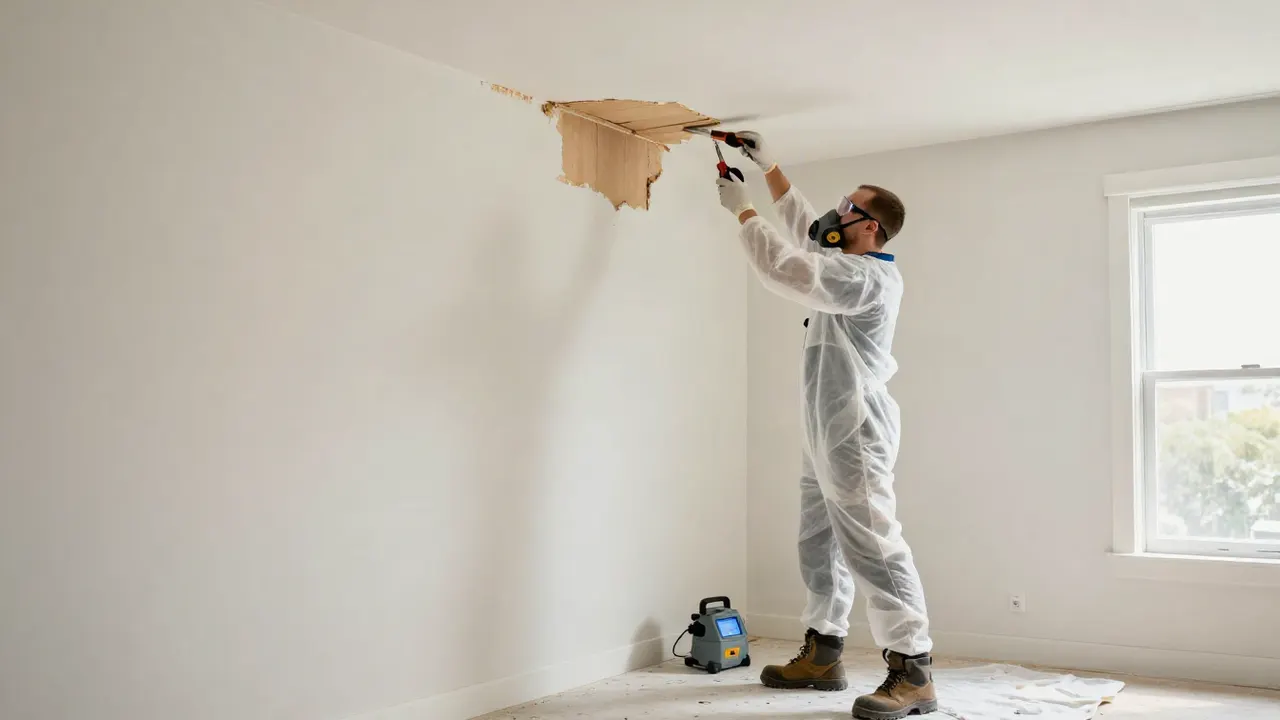
Once the structure is dry, we repair the burst section of pipe, pressure-test the line, and restore drywall, paint, and baseboards. You get a final photo report and moisture log for your records. The whole job, from emergency call to final walkthrough, usually runs five to eight days.
Move across a circle, or focus it and press Enter, for an illustrative thermal view of the photograph.
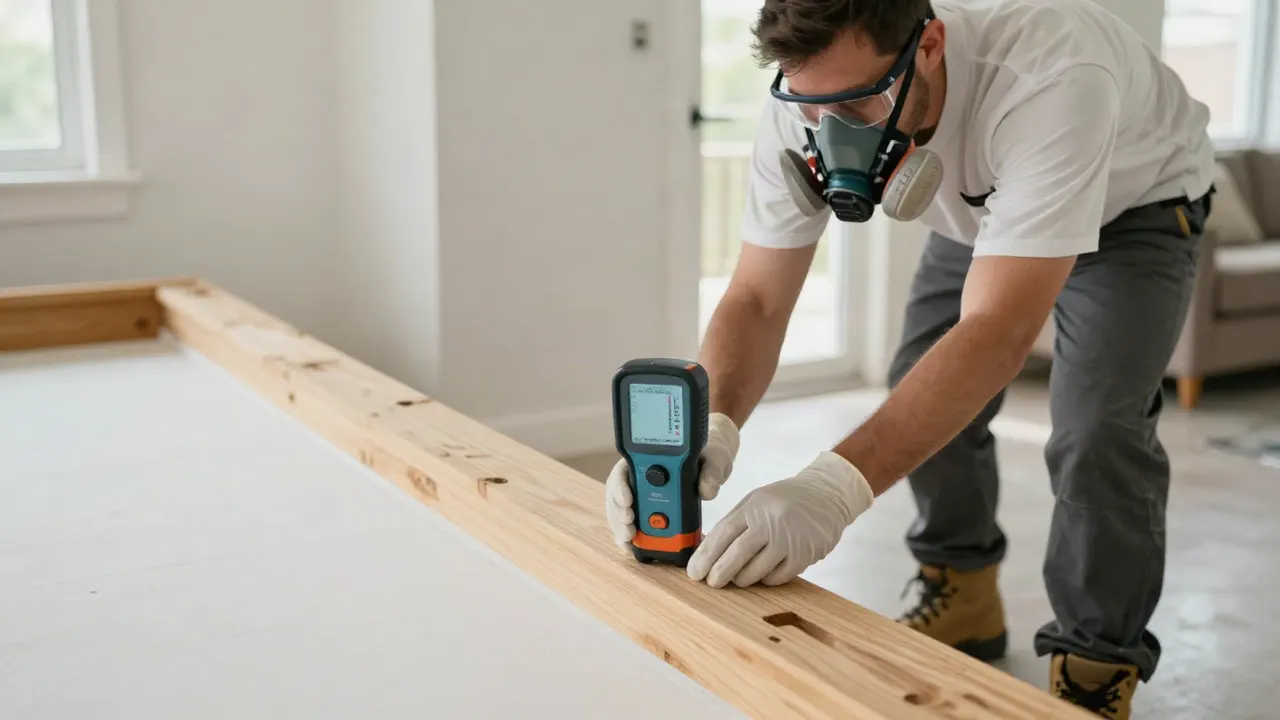
We use these to measure moisture content in drywall, wood, and subflooring. Daily readings tell us when the structure is actually dry, not just dry to the touch.
This shows temperature differences behind walls and under floors, revealing where water traveled. It helps us find hidden moisture without tearing out more material than necessary.
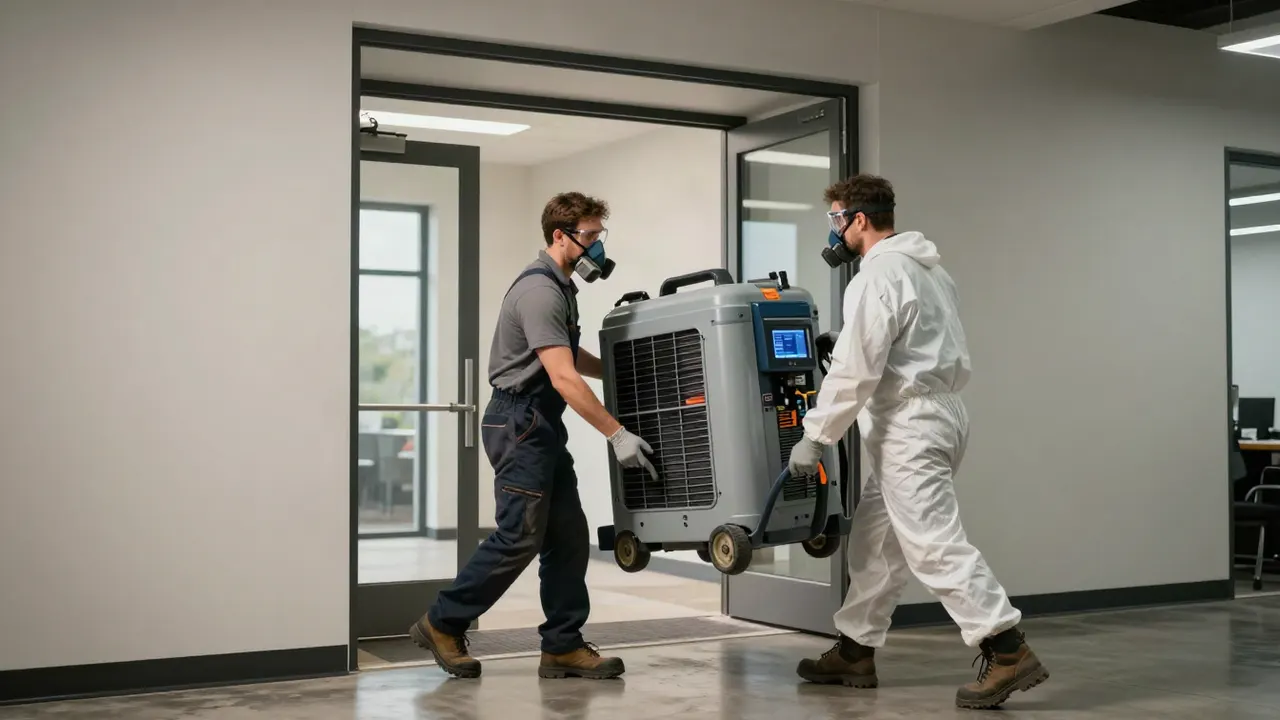
Truck-mounted and portable units pull standing water out of carpet, flooring, and low spots. This is the first physical step after we shut off the valve.
These high-velocity fans move air across wet surfaces to speed evaporation. We position them based on moisture readings, not a fixed pattern.
We run commercial dehumidifiers to pull moisture out of the air while we dry. Without them, evaporated water just re-settles on cool surfaces.
Thermal views are illustrative, generated from the photographs.
This lets us look inside wall cavities and under cabinets without cutting large holes. We confirm where water is before we open anything up.
We use RIDGID pipe wrenches and Milwaukee cordless tools for pipe repair and material removal. Same brands your plumber uses, on the same truck.
We follow the IICRC S500 standard for water damage restoration. That means we classify the water, determine the class of intrusion, and set drying goals based on the actual conditions in your home, not a one-size-fits-all timeline.
Our IICRC ASD training means we dry the structure, not just the air. We target wall cavities, subflooring, and framing with directed airflow and monitor with moisture meters until readings hit a dry standard.
We build our scope in Xactimate, the same software most insurance adjusters use. That means your claim moves through faster because the line items match what the adjuster expects to see.
After extraction, we apply antimicrobial spray to affected framing and cavities. This slows mold growth while the structure dries.
A supply line bursts under the kitchen sink while you are at work.
We extract standing water, pull wet carpet padding, and set air movers and dehumidifiers. We repair the failed supply line and pressure-test it. You get moisture logs for your insurance claim.
Outcome: Kitchen floor and cabinets dry in four days. Pipe is repaired and tested. No mold, no warped subfloor.
A pipe freezes and bursts in the attic during a January cold snap.
We shut off the water, extract from the ceiling below, and remove saturated insulation and ceiling tiles. Thermal imaging confirms where water traveled. We repair the pipe and dry the ceiling cavity.
Outcome: Ceiling dries in three to five days. Insulation is replaced. The repaired line holds pressure.
A slab leak turns into a burst pipe under the hallway floor.
We map the leak with thermal imaging, extract water from the flooring, and dry the slab surface. We repair the line and restore the flooring. Documentation goes to your adjuster.
Outcome: Hallway flooring is dried and restored. The slab leak is fixed. No recurring moisture.
A washing machine supply hose bursts and floods the laundry room.
We extract water, pull wet baseboards and drywall if needed, and dry the room with air movers. We replace the failed hose and check the shutoff valve. You get a moisture report.
Outcome: Laundry room dries in three days. Hose and valve are replaced. No mold growth.
A rental property pipe bursts and the tenant calls you at 2 a.m.
We dispatch a crew, extract the water, and set drying equipment. We communicate with the tenant and document everything for the property owner. Pipe repair is scheduled the next morning.
Outcome: Tenant stays in the unit. Damage is contained. Owner gets a full report for insurance.
Kyle sits on clay soil that expands and contracts with the weather. That movement stresses buried supply lines and slab plumbing, which is why slab leaks and burst pipes are common here. Winter freezes are the other big trigger. When temperatures drop into the 20s, pipes in attics and exterior walls can freeze and split. We see a spike in calls after every hard freeze.
Older neighborhoods have galvanized pipes that corrode from the inside, while newer builds in Waterleaf and Plum Creek often have PEX or copper that fails at fittings. We know where the shutoff valves are in these subdivisions and how the plumbing is routed. If you need a burst pipe water damage company near me in Kyle, we are already in your area.
We respond to 78640 and 78666 addresses with same-day service and handle the pipe repair and dry-out in one job.
Before: A supply line burst under the kitchen sink overnight. Water spread across the tile, soaked the baseboards, and wicked into the drywall behind the cabinets. The homeowner found it at 6 a.m. with water halfway to the living room.
After: We extracted 40 gallons of standing water, pulled wet baseboards, and dried the wall cavity with directed air movers. Moisture readings dropped from 28% to 11% in four days. The pipe was repaired and pressure-tested on day two.
Check supply lines under sinks every six months. Replace braided hoses every five years. Know where your main shutoff valve is before you need it.
Before: A January freeze split a pipe in the attic. Water ran down through the ceiling and soaked insulation and ceiling tiles in the hallway. The homeowner noticed a bulge in the ceiling and a wet stain spreading.
After: We removed the saturated insulation and ceiling tiles, extracted water from the hallway floor, and dried the ceiling cavity. The pipe was repaired and the line pressure-tested. New insulation and ceiling tiles were installed on day five.
Insulate attic pipes before winter. On freeze nights, let faucets drip and open cabinet doors under sinks to keep warm air circulating.
Before: A slab leak under the hallway floor turned into a burst pipe. Water came up through the tile and spread into two bedrooms. The homeowner had no idea where the water was coming from until we mapped it with thermal imaging.
After: We located the leak, extracted water from both bedrooms, and dried the slab surface and subflooring. The pipe was repaired and the flooring restored. Moisture readings returned to dry standard in five days.
Watch for warm spots on the floor or unexplained spikes in your water bill. Both can signal a slab leak before it becomes a burst pipe.
A burst pipe causes more than a wet floor. It creates hidden moisture, ruined materials, and a mold risk that shows up weeks later. Here is what we handle.
A dry structure and a repaired pipe, documented for your claim.
We dispatch crews across Kyle and Hays County with water extraction units and air movers loaded. Most calls get a technician on site within 60 to 90 minutes. That speed limits how far water wicks into baseboards, carpet padding, and wood studs, which cuts your total repair bill.
We use moisture meters, thermal imaging cameras, and a boroscope inspection camera to find water you cannot see. That means we dry the wall cavity behind the tile, not just the surface. You get daily hygrometer readings so you know the structure is actually dry before we close it up.
Most restoration companies dry the mess and leave the pipe for someone else. We handle both. Our team repairs the burst section, pressure-tests the line, then finishes the dry-out. One crew, one schedule, one point of contact from emergency call to final walkthrough.
We photograph every affected room, log moisture readings, and build an Xactimate scope your adjuster can process without back-and-forth. Homeowners in Plum Creek and Waterleaf have used our reports to get claims approved faster because the damage is documented room by room, not summarized in a paragraph.
What a written scope covers and what shapes it. Prices are set by the business after the first look.
Included
Depends on
Clear records you can keep and share.
Daily readings for every affected room
Before and after photos of all damage
Xactimate line items for your adjuster
What was dried, repaired, and restored
Not all burst pipe water is the same. What is in the water changes how we handle it.
From a supply line or pipe break
From appliances or minor backup
From sewage or flood intrusion
A list like this tells people straight away whether you cover their street. Not listed? Call and ask: it only takes a minute.
Based in Kyle and covering the places around it. Pick one for local details.
A single-room extraction with minimal drying sits near the low end. Water that reached two rooms, saturated carpet padding, and soaked subflooring pushes toward the high end. We give you a written price before we start.
Most Kyle homes dry in three to five days with proper air movers and dehumidifiers. That timeline assumes we start within 24 hours and the water did not sit for days before you called. If drywall or insulation was saturated, add one to two days. We check moisture daily and do not pull equipment until readings are dry.
Yes, in most cases. If the burst pipe was in a single bathroom or kitchen and the water stayed contained, you can stay home while we dry. We keep equipment in the affected rooms and set up plastic barriers to contain dust and noise. If the water reached a bedroom or multiple living areas, we will tell you honestly whether staying is practical.
Most Texas homeowners policies cover sudden and accidental burst pipe damage, including extraction, drying, and pipe repair. They typically do not cover damage from a slow leak you ignored for months. We document everything with photos, moisture logs, and an Xactimate scope so your adjuster has what they need. We work with all major carriers.
Other services from the same team.
Water is still spreading. Call now and we will dispatch a crew with extraction equipment. We serve Kyle, TX and Hays County with same-day response and upfront pricing. One call and we handle the rest.
Call us at 512 123 456 any time, day or night. If you prefer email, send us a message at [email protected] and we will get back to you the same day.